Stone Countertop Care in Chattanooga: The Right Way to Clean Daily

The right daily routine for a stone countertop is simple: wipe with warm water and a small squirt of mild dish soap on a soft microfiber cloth, rinse with a damp cloth, and dry with a clean towel. Everything else, from sealing to trivets, exists to protect the stone from the few things that actually harm it: acids, heat, grit, and slow-soaking oils.
Start by Knowing What You Own
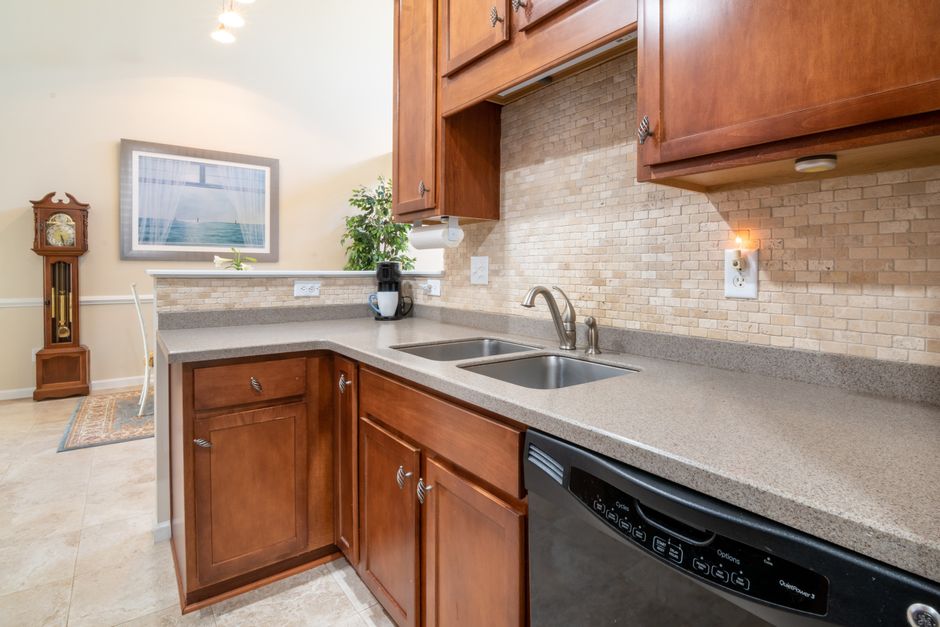
Granite, marble, and quartz look alike across a kitchen but behave very differently.
- Granite is a natural igneous stone. Its porosity varies from slab to slab, so one granite may need sealing often and another almost never.
- Marble is mostly calcite, which reacts with acids.
- Engineered quartz (sold under brands such as Cambria) is crushed quartz bound with resin. It is essentially nonporous, never needs sealing, and is sensitive to heat and harsh chemicals.
Some stone sold as "quartzite" is actually marble or dolomite. To check, put a drop of lemon juice in an out-of-sight spot. If it leaves a dull mark after a few minutes, the stone is calcite based and should be treated like marble.
The Daily Wipe-Down

Warm water, mild dish soap, and a microfiber cloth handle nearly every mess. The rinse matters. Soap left behind builds into a film that dulls the shine, so follow with a damp cloth and then dry the surface.
If you prefer a spray, pick a pH neutral cleaner labeled for natural stone. On granite and quartz, a diluted mix of isopropyl alcohol and water is a common streak-free option that does no harm. Wipe it off afterward instead of letting it sit.
Skip abrasive powders, scouring pads, and steel wool on every type of stone. They dull a polished finish and leave haze on quartz. For dried-on food, soften it with warm soapy water, then lift it with a plastic scraper or plastic putty knife held flat.
What to Keep Away From Each Surface
Marble, limestone, and travertine
Vinegar, lemon, citrus cleaners, and most bathroom and tile cleaners dissolve calcite and leave dull etch marks, often within a minute or two. "Natural" cleaners made from vinegar or lemon are not safe here.
Granite
Granite tolerates more, but routine acidic or strongly alkaline cleaners wear down the sealer over time, and some granites carry calcite veins that can etch. Save the vinegar for the windows.
Quartz
Avoid oven cleaner, paint strippers, nail polish remover left to soak, concentrated bleach, and other strong solvents or high-alkaline products. They can discolor or weaken the resin binder, and unlike natural stone, the damage cannot be polished out.
Handling Spills Before They Mark the Stone
Blot spills; do not wipe them. Wiping spreads liquid across more surface. Blot with a paper towel, rinse the spot with plain water, and dry it.
Chattanooga kitchens tend to meet the same troublemakers: lemon in sweet tea, vinegar-based barbecue sauce, tomato sauce, citrus, and wine. During cookouts and gatherings, set these on a tray or cutting board, and use coasters under glasses on marble.
Cooking oil is the most common granite stain. It slowly darkens the stone around the range and prep area. Wipe grease splatter daily with soapy water, because even an intact sealer only slows absorption.
Etch or Stain: Tell Them Apart
The two problems need different fixes.
- An etch is a dull, lighter, or rough spot where the surface itself was chemically damaged. Light etches on polished marble can sometimes be buffed with a marble polishing powder. Deeper ones need professional honing and repolishing.
- A stain is a darker or colored mark where something soaked in. Many stains can be drawn out with a poultice.
Finish plays a role too. Honed marble hides etching better but shows stains more readily. Polished stone shows etches more but resists absorption better.
Pulling a Stain Out With a Poultice
Not every stain is permanent. For oil stains, mix baking soda with water or acetone into a paste. For organic stains like coffee, tea, and wine, use baking soda with hydrogen peroxide, but only on light-colored stone. Spread the paste over the stain, cover it with plastic wrap, let it dry for a day or two, then scrape it off and rinse. Repeat if the mark is still there.
When and How to Reseal Porous Stone
Reseal based on a test, not the calendar. Not all granite must be sealed every year; some dense granites go years without needing it, while light-colored granite and marble may need it more often.
The water drop test
- Place a few drops of water on several high-use spots: near the sink, beside the range, and in the prep zone.
- Wait about 15 minutes.
- If the stone darkens under the water, it is absorbing liquid and needs sealer. If the water beads or sits without darkening, hold off.
Testing once or twice a year is a sensible habit. Quartz never needs sealing.
Applying sealer
Begin with a clean, completely dry counter. Chattanooga summers are humid, so allow extra drying time after a wet cleaning before you seal. Apply an impregnating sealer made for natural stone, let it dwell for the time on the label, and then wipe off all excess. Sealer left to dry on the surface leaves a sticky haze. Honor the label's cure time before returning the counter to heavy use.
Keep expectations honest: sealer slows staining but does not stop etching. A sealed marble counter will still etch from lemon juice. Only quick cleanup and avoiding acids protect against that.
Trivets and Cutting Boards Every Time
Heat and blades do more lasting damage than most spills.
- Trivets: Quartz resin can scorch, yellow, or crack from a hot pan, so quartz is not heatproof. Granite handles heat better, but sudden temperature swings can crack it, especially near sink cutouts and seams, and heat degrades the sealer. Slow cookers, air fryers, and electric griddles that run for a long time belong on a trivet or board too.
- Cutting boards: Granite and quartz dull knife edges quickly, and knives can scratch marble and mark quartz. A wood or plastic board, such as a butcher block style board, protects both counter and blade.
Watch What Slides Across the Surface
Cast iron, unglazed ceramic bases, and grit trapped under appliances can scratch a polished finish. Rusty cans and metal bathroom containers leave rust stains. Lift heavy items rather than dragging them, and put a liner or tray under toiletries.
Sink Edges, Seams, and Overhangs
Standing water at the sink rim and faucet base leaves mineral deposits. If your tap water leaves white spots, wipe these areas dry daily. On marble, remove buildup with a stone-safe product rather than vinegar. At undermount sinks, check the caulk line, and have it redone if it is gapped or dark so water does not get beneath the stone.
Treat seams and overhangs gently. Do not stand or kneel on the counter, sit on an unsupported overhang, or put heavy weight near sink cutouts, where the stone is thinnest. Keep strong solvents and direct heat away from seams, because seam filler is resin. The same care applies to a kitchen island, where overhangs for seating are common.
A Note on Safety and Sanitation
Daily cleaning of finished granite or quartz does not release harmful silica dust. The silicosis risk comes from cutting and fabrication dust, not from wiping a counter. A sealed or dense granite surface cleaned routinely is a sanitary place to prepare food.
A Simple Daily and Seasonal Rhythm
- Every day: wipe with soapy water, rinse, dry, and blot spills right away.
- After cooking: clear grease splatter near the range and dry the sink rim.
- Once or twice a year: run the water drop test on natural stone and reseal only if it darkens.
- Always: trivets under hot cookware, boards under knives, coasters on marble.
Stone rewards consistency far more than effort. A few habits, repeated, keep a counter looking close to new for years.